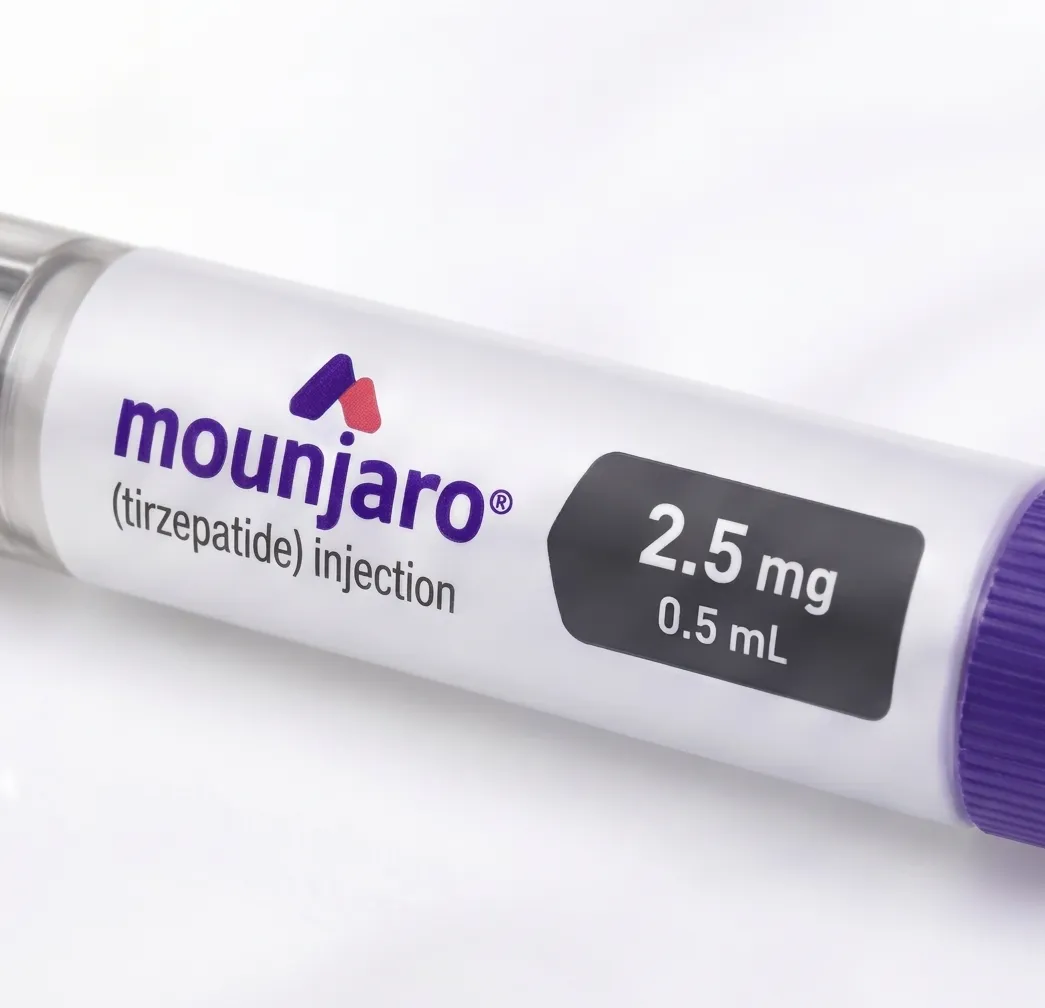
PRESCRIPTION TREATMENT FOR TYPE 2 DIABETESMounjaro® (tirzepatide) is an FDA-approved once-weekly prescription injection used with diet and exercise to improve blood sugar in adults and children 10 years and older with type 2 diabetes. If you are exploring medication options, the first step is a clinician-led review of your diabetes history, current treatment, and overall health.
01
How dual-receptor treatment works
Mounjaro activates two receptors involved in glucose and metabolic regulation: GIP and GLP-1. This dual action can help improve blood sugar regulation in patients with type 2 diabetes. The medicine is only one part of ongoing care, which may include nutrition changes, physical activity, glucose monitoring, and periodic assessment of treatment response.
02
What a personalized treatment plan should consider
No two people manage diabetes in exactly the same way. A prescriber may consider your A1C, current medication list, other health conditions, and any challenges with your existing routine. Tell the care team about insulin or sulfonylurea use because combining certain glucose-lowering treatments can increase the risk of hypoglycemia. The right care plan balances expected benefits with tolerability and safety.
03
Mounjaro versus Zepbound
Mounjaro and Zepbound share the active ingredient tirzepatide, but they are different branded products with different FDA-approved uses. Mounjaro is positioned for type 2 diabetes care. Zepbound is approved for certain weight-management uses and obstructive sleep apnea in eligible adults with obesity. One should not be substituted for the other based only on an advertising claim or a desired result.
04
Taking the next step with confidence
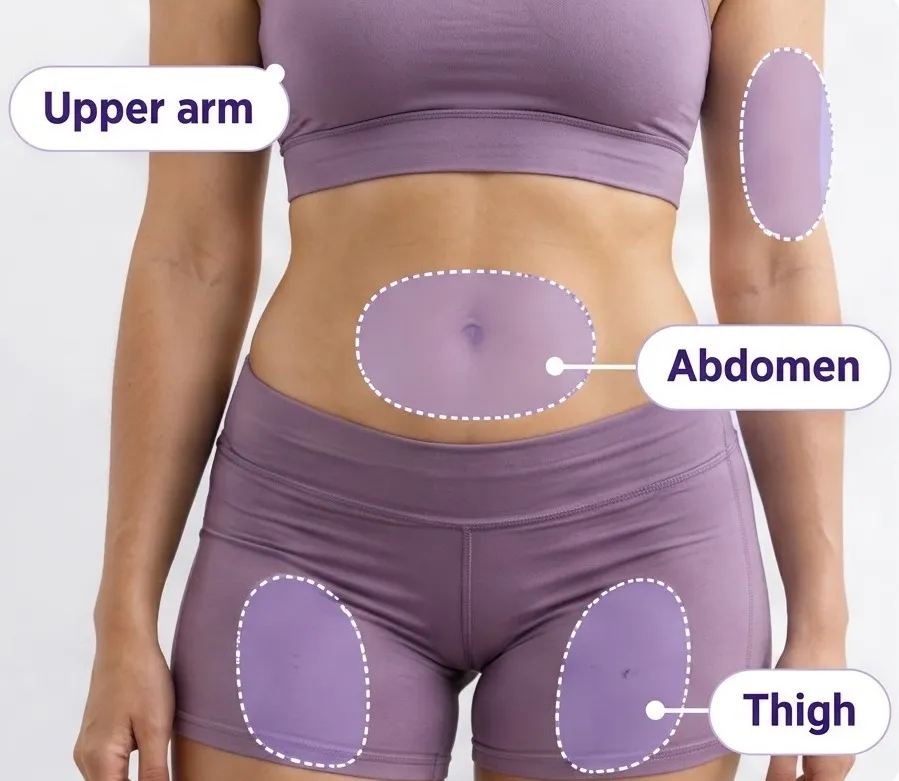
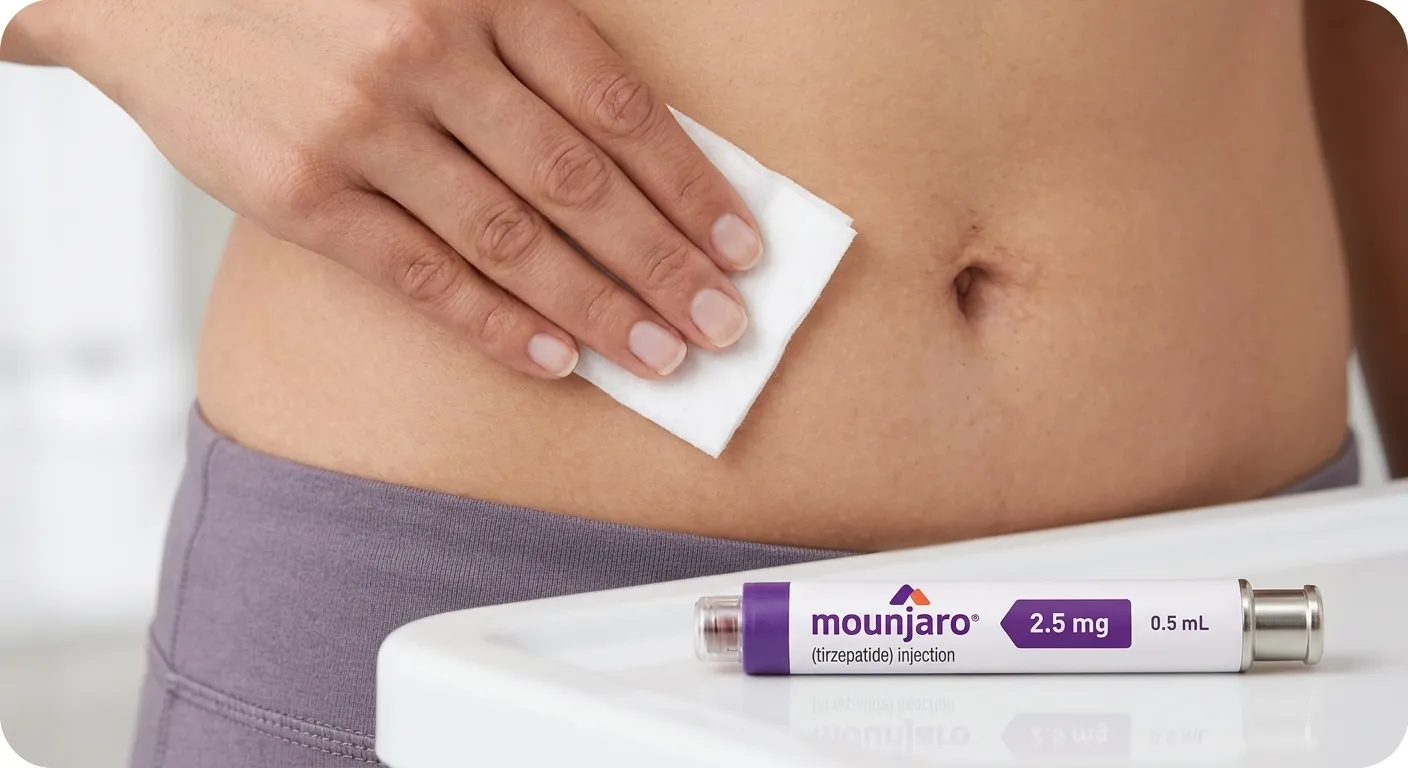
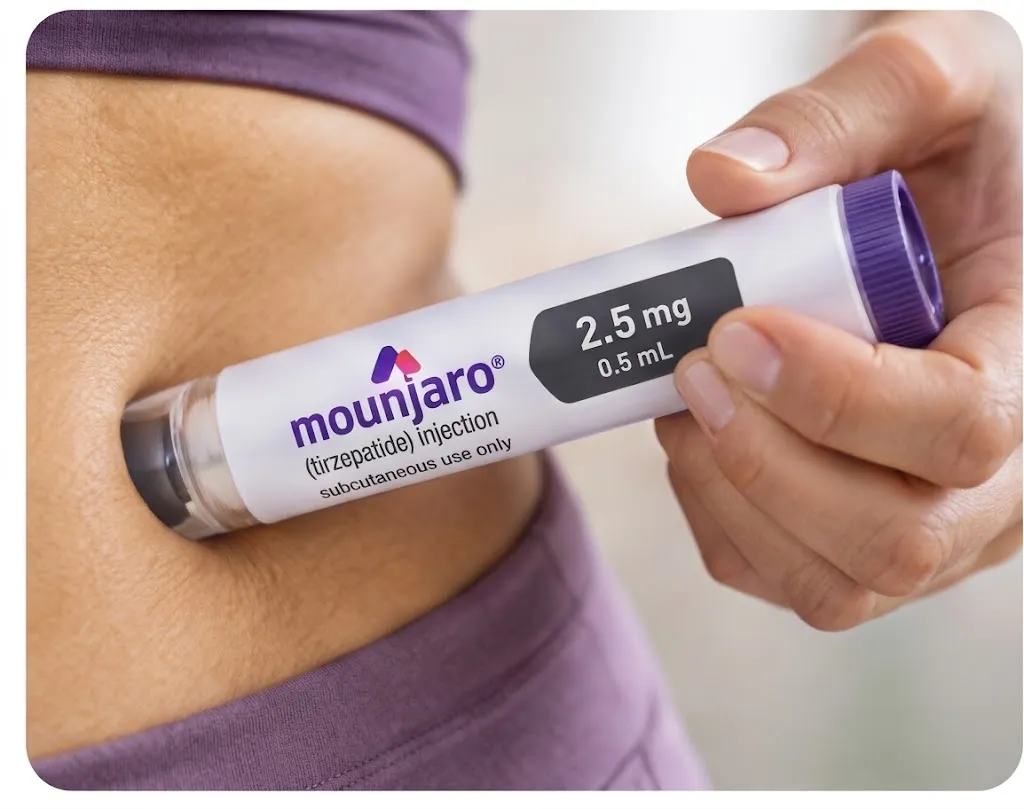
Mounjaro is injected once weekly as directed by a healthcare professional. Delivery devices and instructions can vary. A clinician should explain how to use the prescribed device, review potential side effects, and arrange appropriate follow-up. Patients should seek medical advice for severe or ongoing gastrointestinal symptoms, signs of dehydration, allergic reactions, or other serious concerns. Never combine Mounjaro with another tirzepatide product or another GLP-1 drug.
05
Support that continues after the first appointment
Beginning a new diabetes medication often raises practical questions. Your clinician can explain what to monitor, how to recognize signs of low blood sugar if you use other glucose-lowering medicines, and when to report adverse effects. Follow-up can include a review of glucose patterns, A1C results, tolerability, and the rest of your diabetes care plan. Because other medical conditions and medications can affect treatment decisions, provide a complete and updated medical history. Mounjaro may be appropriate for some patients and unsuitable for others. The goal is informed, individualized diabetes care rather than a guaranteed numerical result.