PRESCRIPTION TREATMENT FOR TYPE 2 DIABETESOzempic® (semaglutide) is an FDA-approved prescription medicine used alongside diet and exercise to help improve blood sugar control in people with type 2 diabetes. Appropriate treatment begins with understanding your health history, current medications, and personal blood glucose goals. Ozempic is not approved specifically for chronic weight management.
01
Understanding how Ozempic works
Ozempic is a GLP-1 receptor agonist. In people with type 2 diabetes, this medication class can help the body respond to changes in blood sugar through several mechanisms, including glucose-dependent insulin release. It can also slow gastric emptying. Diabetes care still involves balanced nutrition, movement, glucose monitoring when indicated, and regular check-ins with a healthcare professional.
02
More than a single glucose reading
Managing type 2 diabetes involves looking at patterns over time rather than focusing on one number. Your medical team may consider A1C trends, other health conditions, kidney function, cardiovascular history, and other treatments. Certain Ozempic formulations have additional risk-reduction indications in defined populations with type 2 diabetes. Whether those apply to you is a medical question for your prescriber.
03
Is Ozempic appropriate for you?
An eligibility review should cover your diagnosis, medications, allergies, prior adverse effects, history of pancreatitis or gallbladder disease, and relevant family history. Some patients may require further evaluation or alternative therapy. If you already use insulin or a sulfonylurea, your clinician may need to consider the possibility of low blood sugar when treatments are combined.
04
Use the prescribed formulation correctly
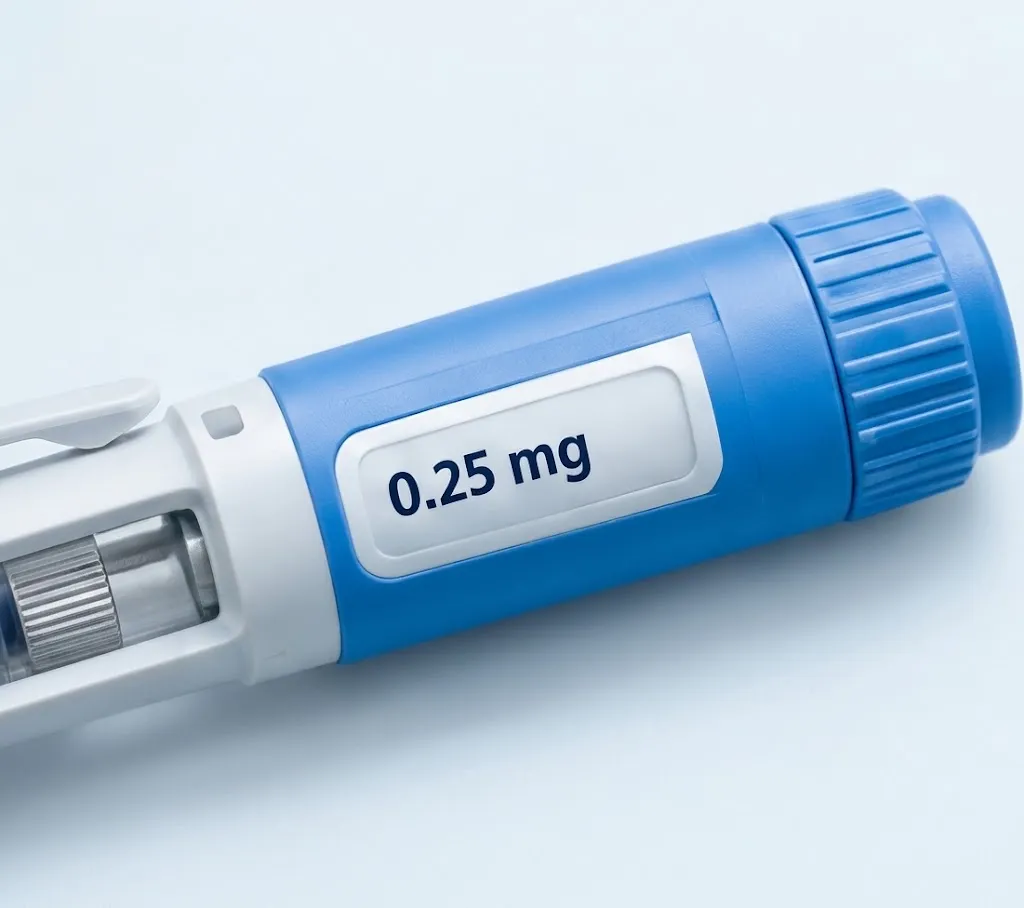
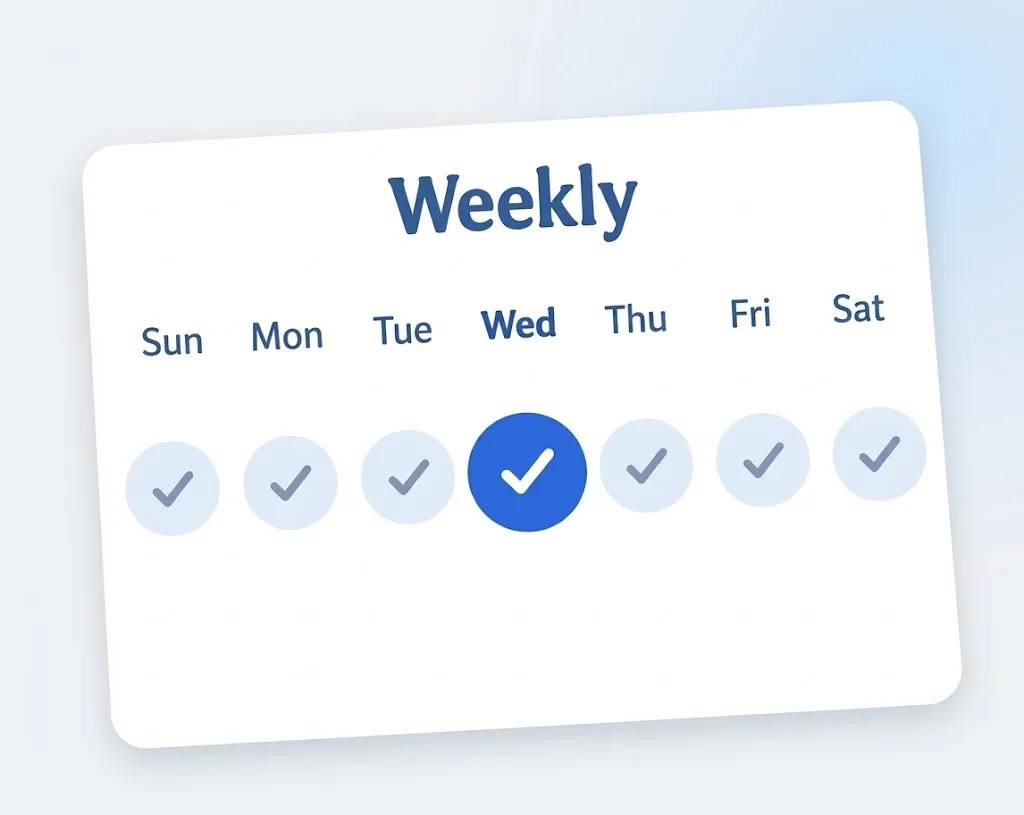
Ozempic has injection and oral tablet formulations, with distinct dosing and administration requirements. Never treat them as interchangeable without medical instructions. If your clinician prescribes an injectable version, follow the device instructions and injection schedule supplied with that product. Do not share injection devices. Always report persistent vomiting, severe abdominal pain, dehydration symptoms, or other concerning adverse effects promptly.
05
Supporting your everyday diabetes routine
Prescription treatment works best when it fits into a practical diabetes care routine. Discuss meal patterns, activity, glucose readings, and medication timing with your clinician. Ask which symptoms should prompt an urgent call and what to do if you miss a dose of your prescribed formulation. If your health status changes or you start other medication, your diabetes plan may need review. Decisions about modifying or stopping prescriptions should come from the clinician familiar with your situation.