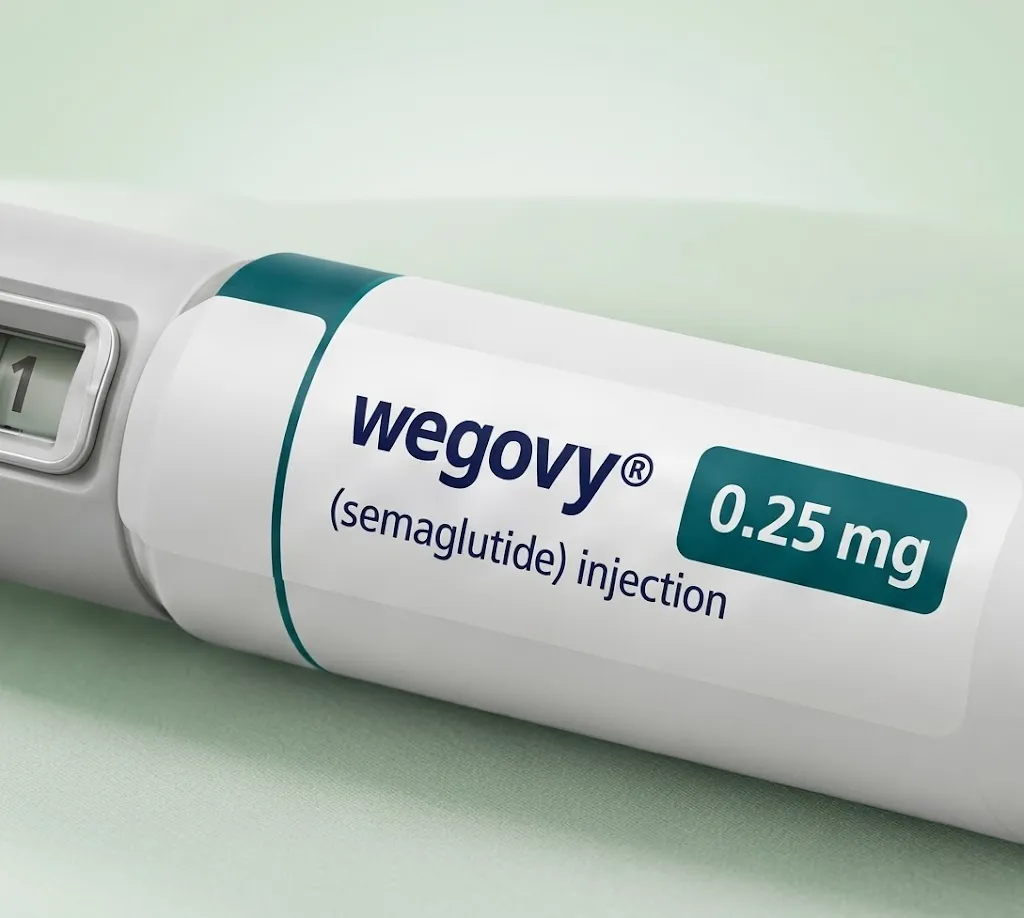
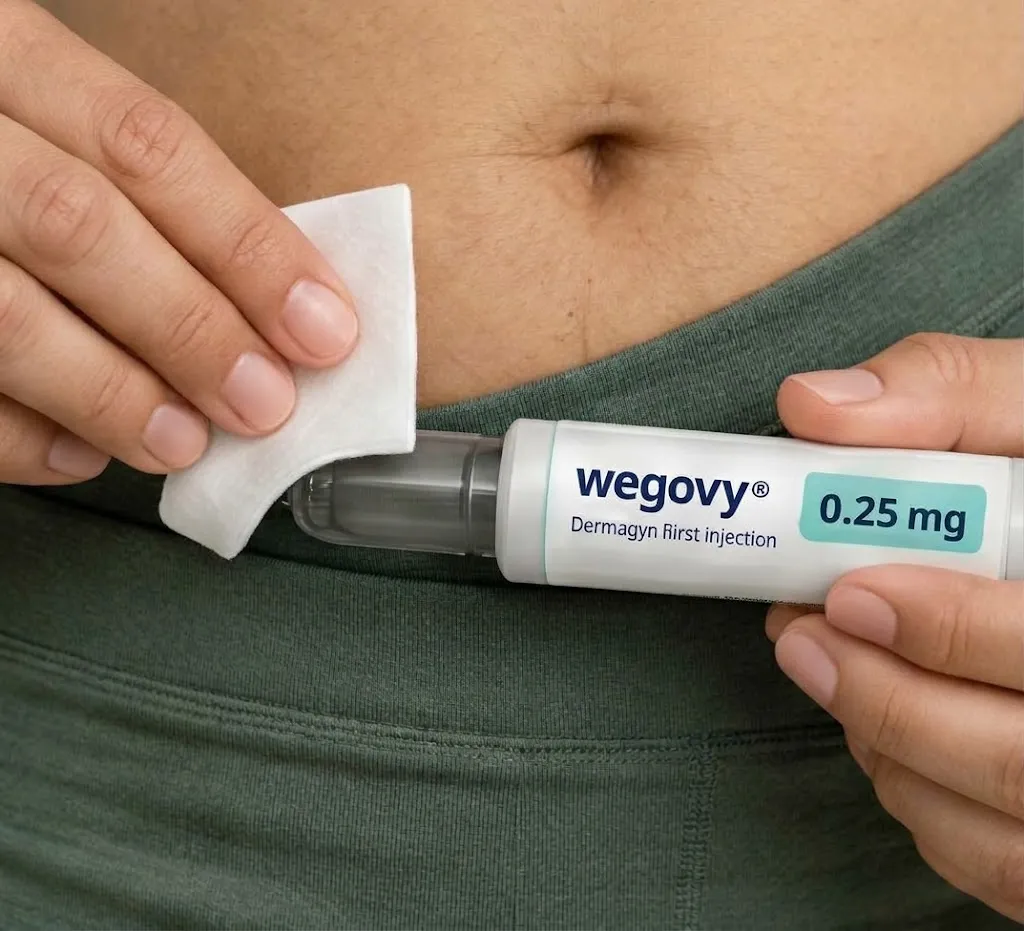
PRESCRIPTION TREATMENT FOR WEIGHT MANAGEMENTWeight management is personal. Wegovy® (semaglutide) is a prescription GLP-1 receptor agonist that may help eligible patients reduce excess body weight and maintain weight reduction when paired with a reduced-calorie eating plan and increased physical activity. Your treatment decision should start with a qualified clinician, not a one-size-fits-all promise.
01
Support for a longer-term weight-management journey
Weight can be influenced by appetite signals, health history, sleep, activity, and many other factors. Wegovy works on GLP-1 receptors involved in regulating appetite and calorie intake. The goal is to support a medically appropriate weight-management plan, with healthy routines remaining an important part of care. Results differ between individuals, and no medicine guarantees a particular amount of weight loss.
02
What makes Wegovy different?
Wegovy contains semaglutide and is specifically approved for certain weight-management uses. It is not the same branded product as Ozempic, even though both contain semaglutide. Indications, available dosage forms, dosing instructions, and prescribing decisions differ. Wegovy also has other approved indications for specific patient groups; your clinician can explain which, if any, apply to you.
03
Your treatment starts with a health assessment
Begin by sharing your medical history, current prescriptions, weight-related concerns, and treatment goals. A licensed healthcare professional evaluates whether prescription treatment is appropriate and discusses potential benefits, limitations, and precautions. Some people may need additional information or a different approach before treatment can be recommended.
04
Using treatment responsibly
Wegovy is available in injectable and tablet forms, but product availability and suitability vary. Injection dosing and oral dosing are not interchangeable. Follow the exact instructions for the formulation prescribed to you. Do not combine Wegovy with another semaglutide medicine or another GLP-1 medicine without explicit clinical direction. Patients should also discuss any pregnancy plans and other conditions that might affect treatment.
05
What ongoing support can look like
After a prescription is considered, care should not end at the first appointment. Check-ins give patients an opportunity to talk about appetite changes, everyday routines, side effects, and progress toward realistic goals. A clinician may review nutrition, physical activity, and other medical factors that influence the plan. If a medicine is not tolerated or is not clinically appropriate, the care plan may need to change. Staying engaged with the medical team can make it easier to ask questions rather than guess about dose changes or missed doses. Your treatment should reflect your health needs, preferences, and prescribing instructions.