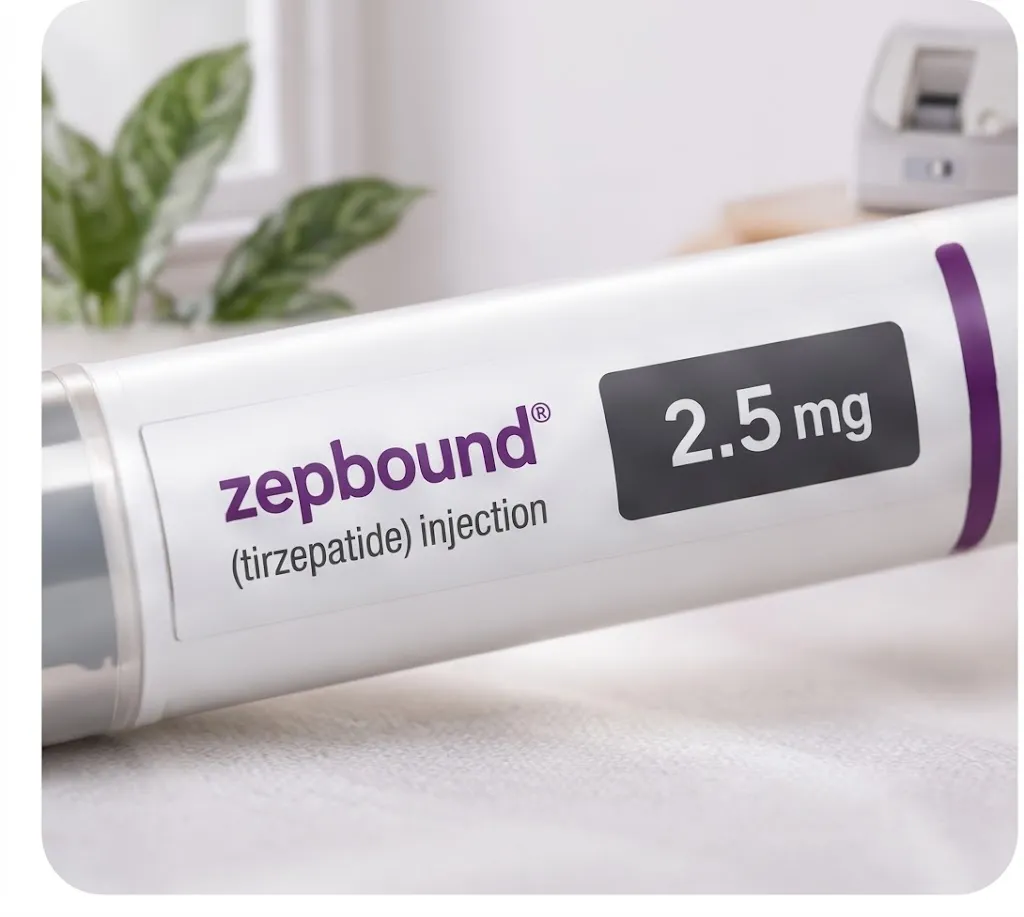
PRESCRIPTION TREATMENT FOR WEIGHT MANAGEMENTZepbound® (tirzepatide) is a once-weekly prescription injection used with a reduced-calorie diet and increased physical activity to help eligible adults with obesity, or certain adults with overweight and a weight-related condition, lose excess body weight and maintain weight reduction. Medical eligibility, not just a weight goal, determines whether it is appropriate.
01
Two hormone pathways, one treatment
Zepbound activates receptors for two hormones: GIP and GLP-1. These pathways are involved in appetite and metabolic regulation. By helping reduce calorie intake, Zepbound can support weight reduction as part of a broader care plan. The treatment is not a shortcut around nutrition, movement, sleep, or ongoing clinical review. Responses vary, and individual outcomes should not be guaranteed.
02
Who may be a candidate?
Zepbound is approved for chronic weight management in adults with obesity and in some adults with overweight who also have a weight-related health issue. It also has an approved use to improve moderate-to-severe obstructive sleep apnea in adults with obesity. Those are separate clinical considerations; a licensed clinician must evaluate your history and determine whether the medication is appropriate for the indication being considered.
03
What to expect from a clinical review
A thorough assessment considers past treatments, medical conditions, current prescriptions, potential interactions, and treatment goals. Your clinician should explain how therapy may be started, how tolerability is monitored, and when follow-up is needed. Treatment decisions may change if side effects develop or if a different option better fits your medical needs.
04
Practical treatment considerations
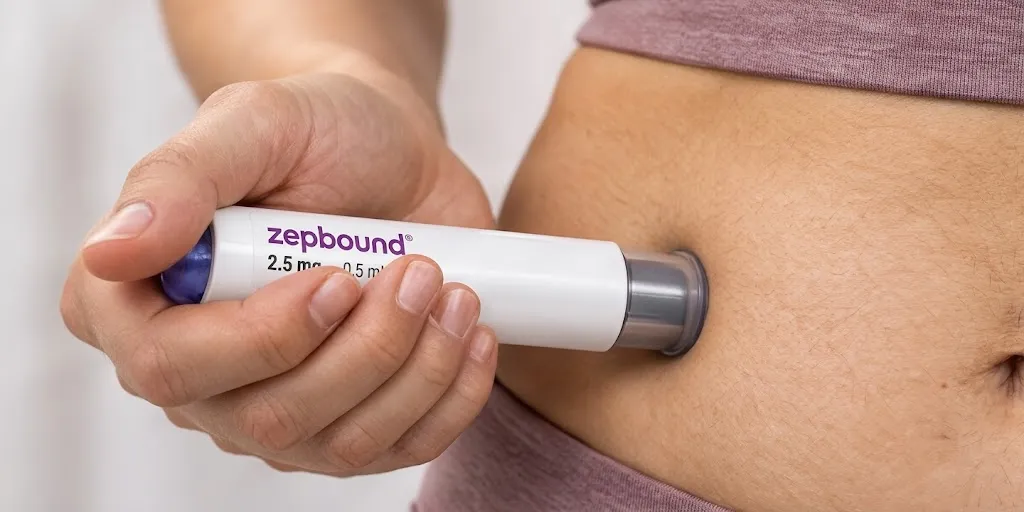
Zepbound is given by injection once weekly, with dosing set by a prescriber. Available injection devices can differ, so follow the specific instructions provided for your prescription. Do not use Zepbound together with other tirzepatide-containing products or another GLP-1 receptor agonist. Talk with your clinician about digestive symptoms, planned procedures, contraception, pregnancy considerations, and any other medications you use.
05
Building a plan beyond the injection
The best starting point is a plan you can sustain. That may mean setting manageable nutrition and activity goals, discussing your current health conditions, and agreeing on follow-up milestones. During treatment, keep a record of questions or new symptoms so your clinician can address them promptly. It is important to report persistent digestive problems rather than adjusting the medication yourself. Some patients will need a different treatment because of contraindications, side effects, or other medical considerations. A thoughtful assessment focuses on long-term health and appropriate care, not a promise of fast cosmetic change.